


Cognitive Behavioural Therapy (CBT) is the most widely recommended psychological treatment in the UK. NICE endorses it for a range of conditions from anxiety and depression to OCD and PTSD. But what actually happens in a CBT session?
What Is CBT?
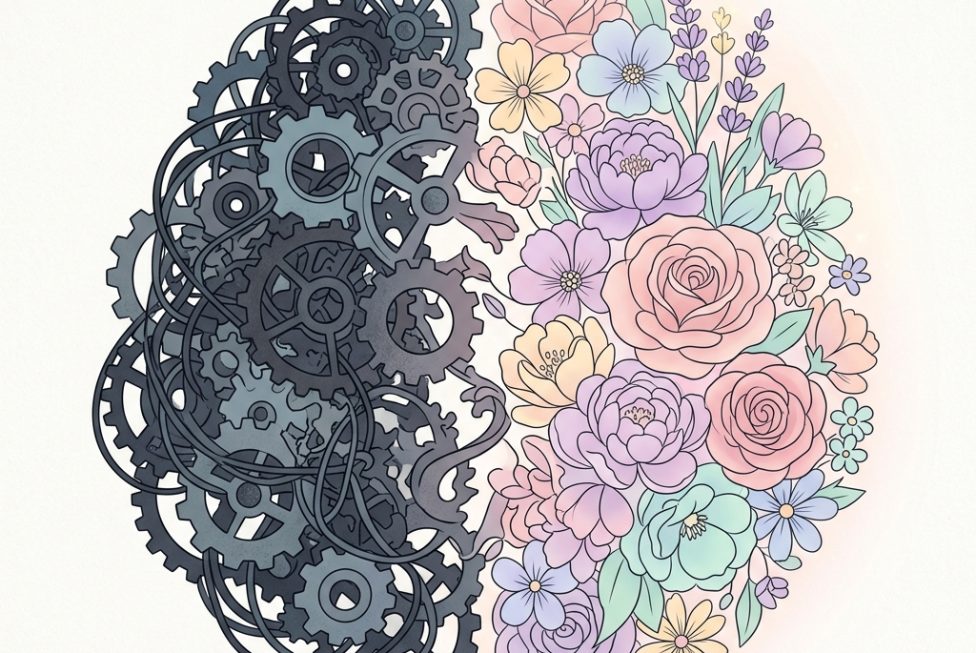
CBT is based on the idea that your thoughts, feelings, and behaviours are interconnected. By identifying and challenging unhelpful thought patterns, you can change how you feel and act. It is practical, structured, and typically shorter-term than other therapies — most people complete a course of CBT therapy within 6 to 20 sessions.
What Happens in a CBT Session?
A typical 50-minute session involves reviewing the past week, identifying situations where unhelpful thoughts occurred, and working through structured exercises to challenge those thoughts. Your therapist will also set homework — such as thought diaries, behavioural experiments, or relaxation practice — to reinforce what you learn between sessions.
What Does CBT Treat?
CBT is effective for a wide range of conditions:
- Anxiety disorders — generalised anxiety, social anxiety, health anxiety, phobias
- Depression — persistent low mood, postnatal depression, seasonal affective disorder
- OCD — obsessive thoughts and compulsive behaviours
- Stress and burnout — chronic workplace stress, perfectionism
- Insomnia — CBT-I is the first-line treatment for chronic insomnia
- PTSD — often combined with EMDR for complex trauma
Accessing CBT in the UK
You can access CBT through the NHS (via IAPT self-referral) or privately. NHS waiting lists currently average 18 weeks in many areas. Private CBT through Make Peace starts from £85 per session with no waiting list — book online and start within days.
We offer CBT in London, Manchester, Birmingham, Leeds, and online across the UK. View all CBT locations.